[PT-BR FOLLOWS]
Introduction
Back when city streets were paved with cobblestones, public telephones stood on street corners, and many neighborhoods were still unpaved, life followed a different rhythm. Not only were labor relations shaped by another world order, but the food on the table reflected a way of life deeply rooted in place.
What was planted, harvested, and shared was inseparable from the land itself. The guiding question was simple: What grows in this soil? That was what would be harvested. What was harvested? That was what would be cooked. And what was cooked became the shared meal, giving rise to a food culture intrinsically connected to community, landscape, and identity.
Today, however, with the expansion of industrial agriculture and the growing demand for ever-greater yields and calories, an important question emerges:
Does the soil where we cultivate food today still remember the foods that nourished previous generations? Or has it, like many children and young people today, become disconnected from its own food heritage?
Knowledge of food traditions, seasonal cycles, local ecosystems, territories, cultivation techniques, and culinary practices is more than something to celebrate in the face of today’s global food production and consumption crisis. It is also a way of strengthening food sovereignty by preserving ancestral knowledge that has long ensured—and continues to ensure—food and nutrition security across generations.
Our Project
This is more than a cookbook.
Grounded in ethnographic research conducted across diverse traditional territories, this project seeks to document and preserve the culinary heritage of the communities we study by recovering the dishes, ingredients, and food practices that have shaped their identities over generations.
Our goal is to safeguard this heritage in what we affectionately call our Living Museum of Food—a living collection where every recipe tells a story, every ingredient carries memory, and every meal reflects the enduring relationship between people, culture, and the land that sustains them.
Rather than simply compiling recipes, this book celebrates culinary heritage as an essential expression of cultural identity, recognizing traditional knowledge as a cornerstone of biodiversity conservation, food sovereignty, cultural continuity, and sustainable food systems.
The book will feature
- Carefully documented recipes that preserve traditional preparation methods and local culinary knowledge.
- Ethnographic narratives exploring the cultural significance of each dish and its relationship with the territory, local history, and community traditions.
- Professional photography illustrating recipes, ingredients, landscapes, and the people who keep these culinary traditions alive.
- Broad dissemination through cultural food networks, museums, universities, libraries, and educational institutions, alongside commercial distribution for the general public.
CONTACT OUR TEAM!
Team
Wedja Teles
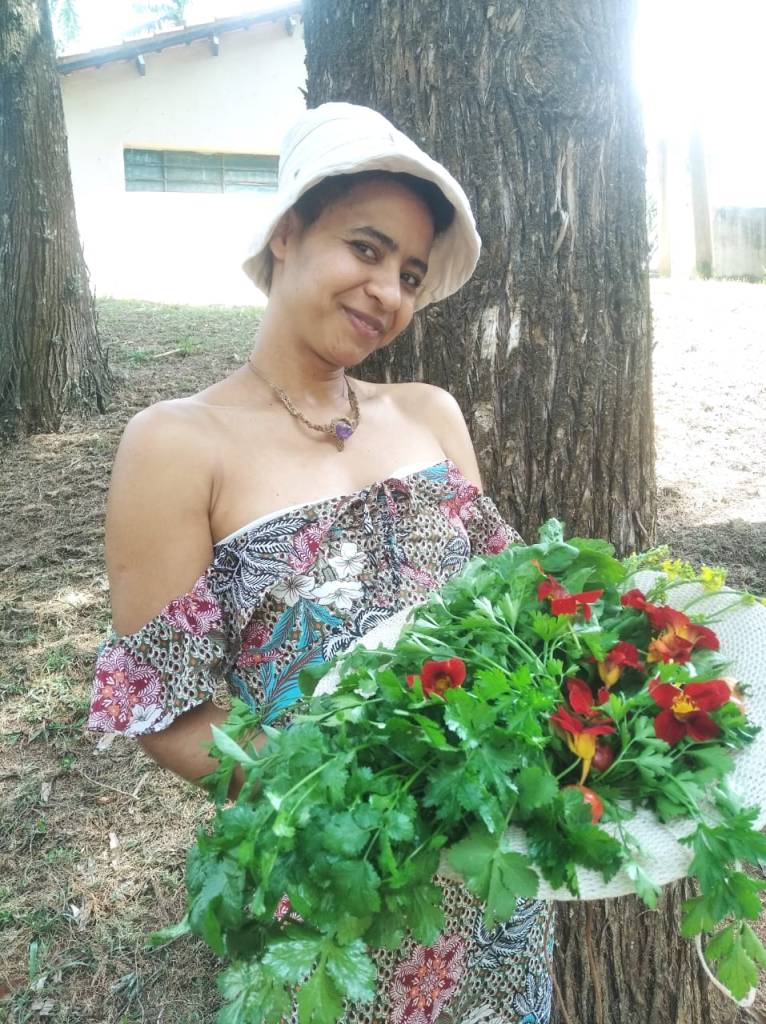
Researcher and social communicator specialist in food sovereignty, with experience in the Greater São Paulo Metropolitan Area and the Paraíba Valley. She has collaborated with Brazil’s Landless Workers’ Movement (MST), and contributed to the development of Community Supported Agriculture (CSA) projects within agrarian reform settlements.
E-mail: wedjappanchieta@gmail.com
Bianca Carvalho
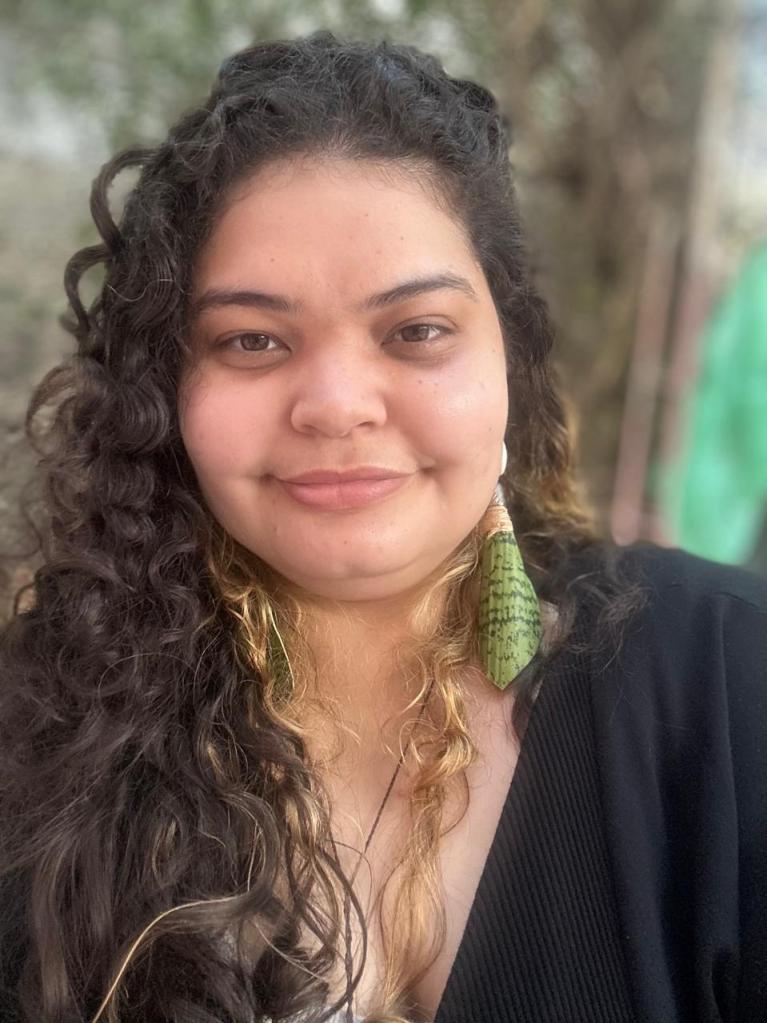
Researcher and data scientist focusing on urban agriculture, environmental sustainability, and food and nutrition security in the Greater São Paulo Metropolitan Area, including the implementation of community kitchens in vulnerable neighborhoods across São Paulo. Currently pursuing a Master’s degree in Environment, Health and Sustainability at the School of Public Health, University of São Paulo (FSP-USP).
E-mail: biancabragac@usp.br
Maitê Cipriano
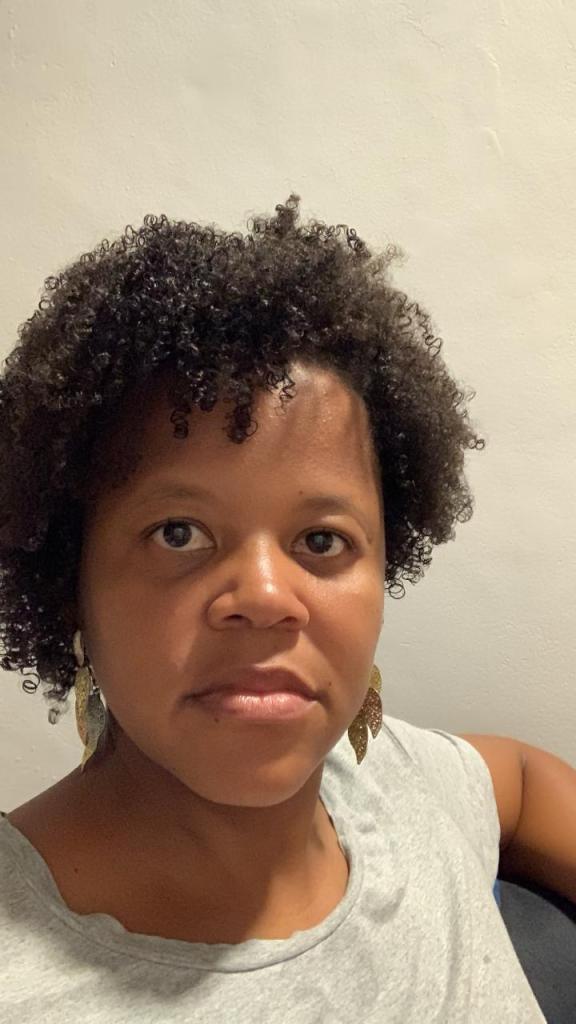
Researcher in Agroecology, participant of the Center for Agroecology and Organic Agriculture Studies (NEA-UFABC), gastronome, and specialist in agri-food systems and food-nutrition security in the ABC Region of São Paulo. Currently specializing in urban agriculture and food security, and food systems analyst since 2007.
E-mail: maitee.segurancaalimentar@gmail.com
PT-BR
Quando a cidade era paralelepípedo, o telefone era orelhão, e muitos bairros eram de terra batida, a vida era outra: não só as relações de trabalho habitavam numa antiga ordem mundial, mas a comida da mesa era diferente. O que se plantava, colhia e servia era muito mais ligado ao território: o que dá nesse chão? É o que vai ser colhido. O que foi colhido? É o que será cozido. E o que foi cozido, foi comido, e assim gerava-se uma cultura alimentar intrinsecamente conectada à cultura social. Mas, com a invasão de tecnologias agrícolas no campo expandido, e a necessidade cada vez maior de calorias e porções, questiona-se: o chão onde se planta hoje ainda lembra do alimento de décadas atrás? Ou ele também, assim como as crianças e jovens dos tempos atuais, não conhece sua história alimentar?
O conhecimento da cultura alimentar, das estações do ano, dos biomas, do território e das técnicas de plantio e culinária não são só características louváveis num contexto de crise planetária de produção e consumo de alimentos; é também contribuir para a soberania alimentar local, regionalizada através de conhecimentos ancestrais que garantem, e sempre garantiram, segurança alimentar e nutricional.
Nosso projeto
…um livro diferenciado. Embasado em pesquisa etnográfica em diferentes territórios tradicionais, busca-se resgatar pratos e alimentos costumeiramente consumidos nas comunidades estudadas e guardá-los no nosso pequeno museu de alimentos – um apelido carinhoso para o livro com as receitas encontradas.
O livro conterá:
receitas detalhadas
contexto cultural pesquisado
fotografias profissionais para ilustração
distribuição ampla em redes culturais de alimentação e universidades, além de comercialização para o público geral


Deixe um comentário